Discover 7 Essential Truths You Must Know About the Holy Spirit, Master of Your Heart
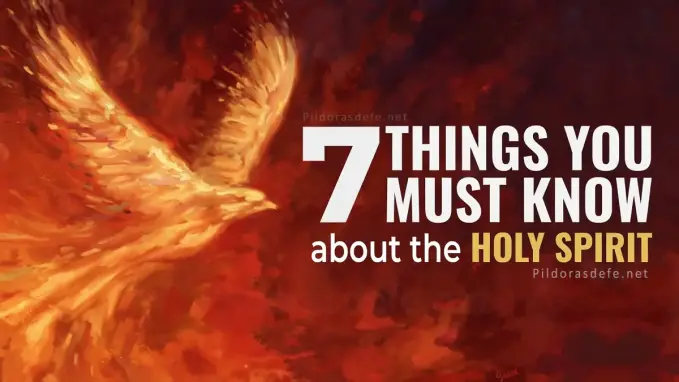
The Holy Spirit is the silent, effective protagonist of all salvation history: Discover 7 essential things you must firmly know about the master of your heart
The Holy Spirit is the silent, efficient master of the heart, the hidden protagonist steering the entire history of salvation with divine precision. From the initial, formless void of Genesis to the triumphant conclusion of the Book of Revelation, the Spirit permeates every corner of existence, penetrating our deepest anxieties and invading our brokenness with His healing breath. This "Breath of Life" that hovered over the tranquil waters of Creation is the same mighty gale that transforms our spiritual landscape today. You are invited to discover the profound mysteries of this indwelling presence, a force that does not merely reside outside of you but seeks to remodel your very soul. Journey into the heart of the Third Person of the Trinity, the true Architect of your eternal holiness.
The Gospel according to John vividly captures the moment the Risen Lord imparts this divine gift to His fearful Apostles, initiating a new era for humanity. Let us reflect on the transformative power of this encounter:
"On the evening of that first day of the week, when the doors were locked, where the disciples were, for fear of the Jews, Jesus came and stood in their midst and said to them, 'Peace be with you.' When he had said this, he showed them his hands and his side. The disciples rejoiced when they saw the Lord. [Jesus] said to them again, 'Peace be with you. As the Father has sent me, so I send you.' And when he had said this, he breathed on them and said to them, 'Receive the Holy Spirit. Whose sins you forgive are forgiven them, and whose sins you retain are retained.'" (John 20:19-23)
7 Essential Things You Must Know About the Holy Spirit
Below, we will explore seven profound truths about the Holy Spirit—the Paraclete who silently guides our hearts toward the glorious will of Almighty God.
1. The Meaning of Pentecost
Pentecost originated as a significant Jewish harvest festival, but its deeper meaning transcends the physical harvest. The Greek term "Pentekoste" signifies the fiftieth day. For us, it marks the completion of the fifty days following the Resurrection, serving as the crown of the Easter season. As the Catechism explains, "On the day of Pentecost... Christ’s Passover is fulfilled in the outpouring of the Holy Spirit, manifested, given, and communicated as a divine person" (CCC 731).
This fiftieth day is not merely a calendar marker; it is the definitive seal of the New Covenant. Just as the ancient Israelites received the Law on Sinai, the Apostles received the Law of Love written upon their hearts. Saint Thomas Aquinas taught that this number, fifty, symbolizes the fullness of grace. It is the moment when the Church, previously confined by fear, bursts forth to bring the light of the Gospel to every corner of the world.
2. The Spectacular Descent of the Holy Spirit
The arrival of the Holy Spirit was not a subtle event; it was a violent, earth-shattering eruption of divine power. Jesus had promised this "Comforter" repeatedly, especially during the Last Supper. When He finally descended upon the Upper Room, He did not merely fill the air; He infused the Apostles with a holy audacity that completely erased their paralyzing fear, turning terrified men into pillars of unshakable faith ready to sacrifice their lives for the Lord.
This infusion of power is the engine of our apostolic mission today. Saint Peter, once a man who denied Christ, stood before thousands and preached with such clarity that three thousand souls were baptized in a single day. As the Scripture records:
"And they were all filled with the Holy Spirit and began to speak in different tongues" (Acts 2:4)
This is the same Spirit who equips us today to proclaim the truth in a cynical world.
3. The Symbolism of Wind and Fire
God chose symbols that defy human control to represent His presence: wind and fire. The wind is invisible, dynamic, and life-giving, echoing the "ruah" that breathed life into Adam. The fire, meanwhile, serves as an agent of purification, destroying impurities while illuminating the darkness. These are not merely metaphors; they are the literal manifestations of a God who is both irresistible in His strength and tender in His intimacy, constantly reshaping the landscape of our souls.
Fire is a classic biblical symbol of God's transformative energy. The Catechism affirms: "Fire symbolizes the transforming energy of the Holy Spirit's actions" (CCC 696). Saint Catherine of Siena often spoke of this divine fire, noting that it burns away the dross of our selfishness without consuming the essence of who we are. It is the unquenchable flame of love that God desires to ignite within our hearts, turning our cold indifference into a burning zeal for Him.
4. The Invisible Presence of God
A beautiful way to understand the Spirit is to recognize His hidden, pervasive nature. Just as sugar dissolves into water, making the liquid sweet without being seen, the Holy Spirit dissolves into the fabric of our daily lives. He is the silent protagonist, the "sugar" of our spiritual existence. While the world may not see Him, the effects of His presence, peace, patience, and unwavering faith, are undeniable to those who possess a heart attuned to His quiet, gentle whisper.
This invisibility does not equate to absence. Saint John reminds us: "No one has ever seen God" (1 John 4:12), yet He dwells within us. When we pray, it is the Spirit interceding through us with groans that words cannot express. We must learn to seek Him in the silence of our daily routine. Like the wind that moves the branches of the trees, we see the Spirit through the movements of grace that alter our lives entirely.
5. Jesus Promises the Paraclete
The title "Paraclete" is one of the most comforting descriptions of God in the entire Bible. It defines the Spirit as an Advocate, one called to stand beside us during our most difficult trials. When you face doubt, anguish, or the overwhelming weight of sin, the Spirit is there, not to condemn, but to counsel and console. He is the ultimate Defense Attorney for your soul, ensuring that you never walk the path of faith in total isolation.
Jesus Himself fulfills this role, but sends the Spirit to continue His work intimately. Saint Augustine famously explained that the Holy Spirit is the "soul of the Church." If the Spirit is our Advocate, then we are never truly alone in our spiritual battles. He is the voice that reminds us of the truth when the world speaks lies. He is the constant companion who gently leads us back to the Father's house when we wander astray.
6. The Birth of the Church
Pentecost is the official, historical birth certificate of the Catholic Church. It is the moment the community of believers stopped being a mere group of followers and became a unified, Spirit-led Body. This community, though comprised of imperfect people, was suddenly endowed with the infallible guidance of the Holy Spirit. It is the fulfillment of Christ's prayer for unity, ensuring that the message of love would transcend all cultural and linguistic barriers, reaching every single generation across the vast span of time.
The Church is not a human institution; it is a divine mystery. The Second Vatican Council teaches that the Church is "the temple of the Holy Spirit" (Lumen Gentium 17). Every time we gather for Mass, we are participating in the fruit of that first Pentecost. Saint Cyprian of Carthage beautifully noted that the Church is a people made one with the unity of the Father, the Son, and the Holy Spirit, a true reflection of the Trinitarian life.
7. The Gifts and Fruits of the Spirit
The seven gifts, Wisdom, Understanding, Counsel, Fortitude, Knowledge, Piety, and Fear of the Lord, are not prizes for the perfect; they are the tools for the journey. They make us docile to God's promptings. These gifts bloom into the "fruits" of the Spirit: love, joy, peace, and patience. When we live in this dynamic reality, we stop relying on our limited human strength and start operating on the infinite power of God, becoming true witnesses of the Resurrection in a broken world.
These gifts are the essential equipment for the spiritual life. Saint Paul explicitly lists the fruits of the Spirit, emphasizing that "against such there is no law" (Galatians 5:23). They are the tangible evidence that the Spirit has truly taken residence in our hearts. By actively cultivating these fruits, we become a visible testament to the reality of God, transforming our surroundings through simple acts of kindness, profound patience, and unwavering, joyful fidelity to the Gospel.
3 Fascinating Facts About the Holy Spirit
1. The symbol of the color red
Priests wear red vestments on Pentecost, symbolizing the "tongues of fire" that rested upon the Apostles. It also represents the burning, passionate love of God and the courage of the martyrs who shed their blood for the Church, fueled by the power of the Spirit.
2. The Hebrew word "Ruah"
In the Old Testament, the Hebrew word "Ruah" is used to describe the Spirit of God. It means breath, wind, or spirit. This word creates a beautiful link between the first creation in Genesis, where God breathed life into man, and the new creation in the Church, where the Spirit breathes spiritual life into the faithful.
3. The seal of the Spirit
In the Sacrament of Confirmation, the Bishop anoints the forehead of the candidate with Chrism oil, marking them with the "seal of the gift of the Holy Spirit" (CCC 1296). This is a permanent, spiritual mark that conforms the soul to Christ, empowering the believer to act as a soldier for the truth in the world.
The Master of Your Heart
Ultimately, the Holy Spirit is the master of the interior life, the architect of holiness within us. He does not force His way into our hearts; He waits for an invitation. By fostering a life of prayer and frequent reception of the Sacraments, we create space for His divine influence. As Saint Augustine prayed:
"Breathe in me, O Holy Spirit, that my thoughts may all be holy. Act in me, O Holy Spirit, that my work, too, may be holy."
Prayer to the Holy Spirit
O Holy Spirit, divine Architect of our souls and sweet Comforter of the afflicted, we prostrate ourselves before Your infinite majesty. You are the source of all light, the flame of eternal truth, and the gentle wind that guides our wandering hearts back to the Father.
Breathe into our spirits the courage to leave behind the shadows of our past and the fears that chain us to the earth. Enkindle within us the fire of Your holy love, that we may be transformed into living witnesses of the Resurrection.
Guide our thoughts, purify our desires, and strengthen our wills, that every action of our lives may bring glory to God. Amen.
Open Your Heart to the Divine Architect
The Holy Spirit is not merely a theological concept; He is the living, breathing, and active presence of God ready to revolutionize your life right now.
Stop trying to navigate your impossible challenges alone! Invoke the Paraclete today, ask for the fire of His love, and witness how the Lord radically renews the landscape of your weary soul.
The Holy Spirit is waiting to turn your greatest struggles into a testimony of divine grace. Are you ready to let Him take control of your heart and lead you into the freedom that only the children of God can experience?
❓ FAQ: Frequently Asked Questions About the Holy Spirit
The Holy Spirit is fully God, the Third Person of the Blessed Trinity, equal in majesty, power, and eternity to the Father and the Son. He is not an impersonal force. As the Catechism teaches, "The Holy Spirit is at work with the Father and the Son from the beginning to the completion of the plan for our salvation" (CCC 686).
Discernment requires a heart that is quieted by prayer and grounded in the Sacraments. The Spirit’s promptings will never contradict the teachings of the Church or the Word of God. As Saint Paul advises: "Do not quench the Spirit. Do not despise prophetic utterances. Test everything; retain what is good" (1 Thessalonians 5:19-21). Consistency and obedience are key indicators of His voice.
To grieve the Spirit means to persist in behavior that is contrary to His holy nature—specifically, sin and refusal to forgive. When we choose darkness over light, we create a barrier in our interior life. The Apostle Paul warns: "And do not grieve the holy Spirit of God, with which you were sealed for the day of redemption" (Ephesians 4:30). Repentance is the immediate remedy.
The Holy Spirit does not come because we are perfect; He comes because we are in need of sanctification. He is the Great Physician of the soul. No matter your past, He is ready to begin a new work within you. As the Psalmist cries out: "A clean heart create for me, O God, and a steadfast spirit renew within me" (Psalm 51:12).
The gifts (Wisdom, Fortitude, etc.) are supernatural habits infused by God that make us docile to His divine promptings. The fruits (Love, Joy, Peace, etc.) are the observable results—the "harvest"—that bloom in our lives as a consequence of living according to those gifts. As Saint Josemaría Escrivá often noted, the fruits are the beautiful, tangible evidence of God’s active presence in our work.
 Coordinador del Sector Comunicación de la CPAL (Conferencia de Provinciales Jesuitas de América Latina) Venezuela
Comments
Want to leave comments and intentions on our site?
Be the first to comment.
Useful Resources
Walking in Faith

Discover how to protect your mental and spiritual health with these effective Catholic strategies to prevent depression, leaning entirely on God's daily grace
Walking in Faith
Whoever receives the Brown Scapular commits to the Carmelite spirituality. Discover nine essential things you need to know about this powerful sacramental
Walking in Faith

Spiritual therapy offers a profound path to heal depression: Discover three essential Catholic steps to restore your mental health and find lasting peace today
Walking in Faith
Experience the miraculous healing anointing of the Sacred Heart of Jesus through this prayer: Discover how His infinite mercy can heal and transform your life.
Walking in Faith
Discover the 12 promises of the Sacred Heart of Jesus: Learn how these divine blessings of mercy, love, and protection can transform your family and life today
Walking in Faith